
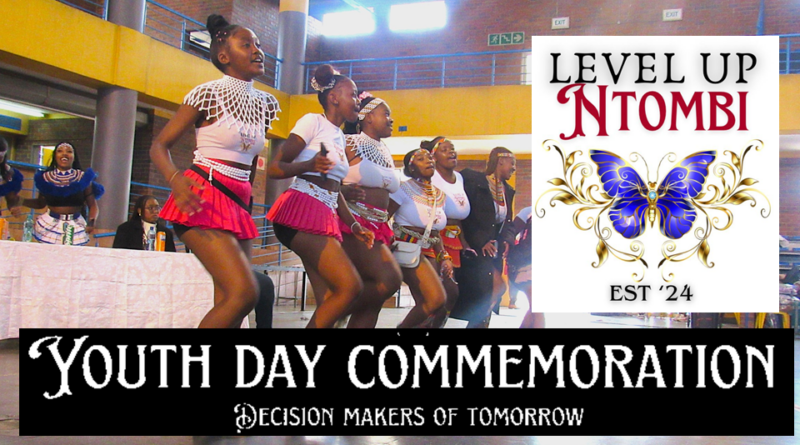
Level Up Ntombi – Youth Day Commemoration
This video is intended for educational purposes only and aims to shed light on the traditional practice of virginity testing within Zulu maiden culture. It is important to understand that this content is not sexualized nor meant to be viewed as adult material. Instead, it seeks to promote respectful awareness and cultural appreciation. African cultures, including Zulu traditions, should be honored and respected in their context, recognizing their history and significance. Please approach this content with an open mind, understanding that cultural practices vary and deserve dignity and understanding rather than judgment.
👑 While we honour traditional values, you don’t have to be part of the izintombi community to attend the 28th — all young women are welcome as long as you respect the theme.
🎤 Our speakers are just as excited as you are — they can’t wait to pour into you, challenge you, and grow with you! @ayanda_cossa_nkabinde @mashengekwamahlobo @sokelihlemdletshe
Key Ceremonies and Rituals:
- Umemulo: The grand coming of age ceremony that celebrates a girl reaching maturity and often involves traditional dances, attire, and blessings.
- Umhlanga (The Reed Dance): A well-known and highly celebrated event where young women, including those preparing for adulthood, participate in singing, dancing, and symbolically presenting reeds to honor purity and respect.
- Unomkhubulwane: A traditional ritual dedicated to the goddess of fertility and protection, emphasizing purity and community well-being.
- Uhlonyane: Rituals involving medicinal herbs and blessings to purify and prepare the maiden for her new roles in society.
The Importance of Virginity Testing:
Virginity testing remains a significant, yet controversial, aspect of the coming of age process in many Zulu communities. It is traditionally seen as a way to uphold the honor, respect, and moral values of young women, and is linked to notions of purity, social status, and family pride. While the practice has sparked debate worldwide due to human rights concerns, it continues to hold cultural importance for many within the community.
This video aims to respectfully highlight these ceremonies and discuss their cultural significance, shedding light on the deeply rooted customs that shape Zulu society.


